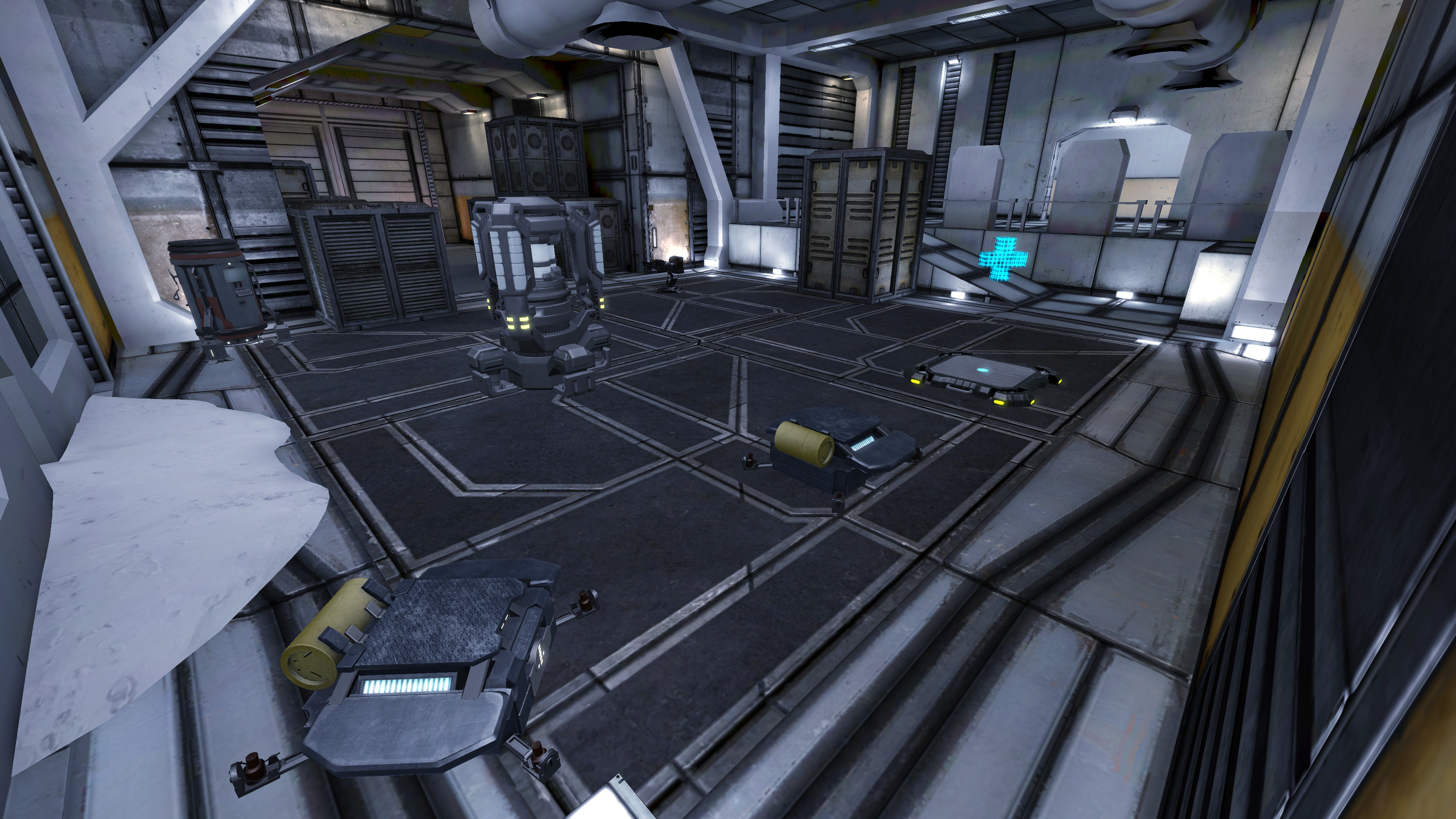
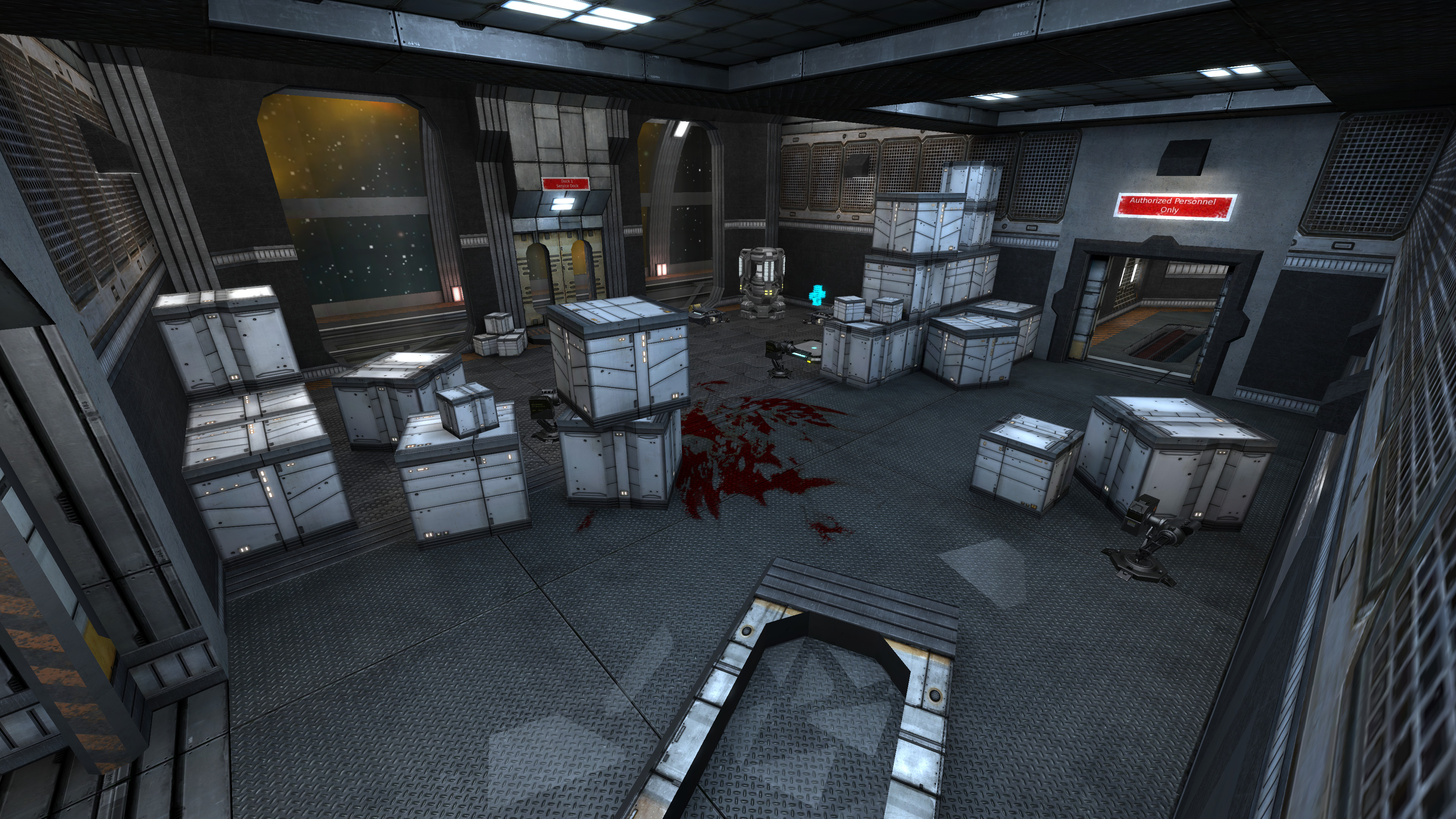
linear colorspace lightmap applied on non-linear sRGB colorspace diffusemap #270

Description

This is related to #243 (sRGB lightmap).
For what I know, what we call color, diffuse, or albedo maps are in sRGB color space because all image editors work that way.
On the other hand, textures like normal maps are stored in linear space, and by default q3map2 produces linear light maps and deluxe maps too.
I really doubt that, back in the day, Quake 3 and other games from that age was converting color maps to linear space before applying light maps on them.
I highly suspect that gamma ramping done by those old games was a hack to convert the light maps to sRGB space, that was making light looking OK while the color maps were wrong but no one cared as the priority was to get light map OK.
I highly suspect that many other hacks the industry invented like the Half-Lambert lighting were basically ways to deal with missing conversion somewhere in the pipeline.
This very instructive page by Joey de Vries explains how game developers are likely to use non-physically correct linear light attenuation to workaround their non-gamma corrected games, while the physically correct quadratic attenuation gives correct results on gamma corrected games.
We can see in q3map2 that while Quake 3 used a physically correct quadratic falloff in light map computation, Wolfenstein: Ennemy Territory while using a non-correct linear one to workaround the issue we talk about. Basically, Wolf:ET required more realistic lighting than Quake 3 and a wrong linear falloff is known to produce more realistic results when a linear light map is wrongly applied on a non-linear color map.
The default q3map2 profile for Unvanquished is to not use the linear falloff. We are very lucky.
The Alpha 27 release post tells that some lighting in some maps were modified because of some gamma issue, it links an extensive article that tells more about it.
The blog post tells that the game was initially using a 1.3 gamma custom value and it was reset to 1.0 to avoid colors to look washed out, but since it would darken the maps, Unvanquished maps lighting was redone to produce something that looks good.
Well, now we know why a more-than-one gamma was used and why the colors looked bad: using a more-than-one gamma is a hack to convert light map to something approaching the sRGB space, but since the color maps were already in sRGB space, they looked like converted two times.
So, we have to expect that all of our maps have unproper lighting. Also, it may explain why our game looks so dark.
I made a very-naive implementation (not using OpenGL builtin like internal sRGB format and sRGB frame buffers) to do some tests…
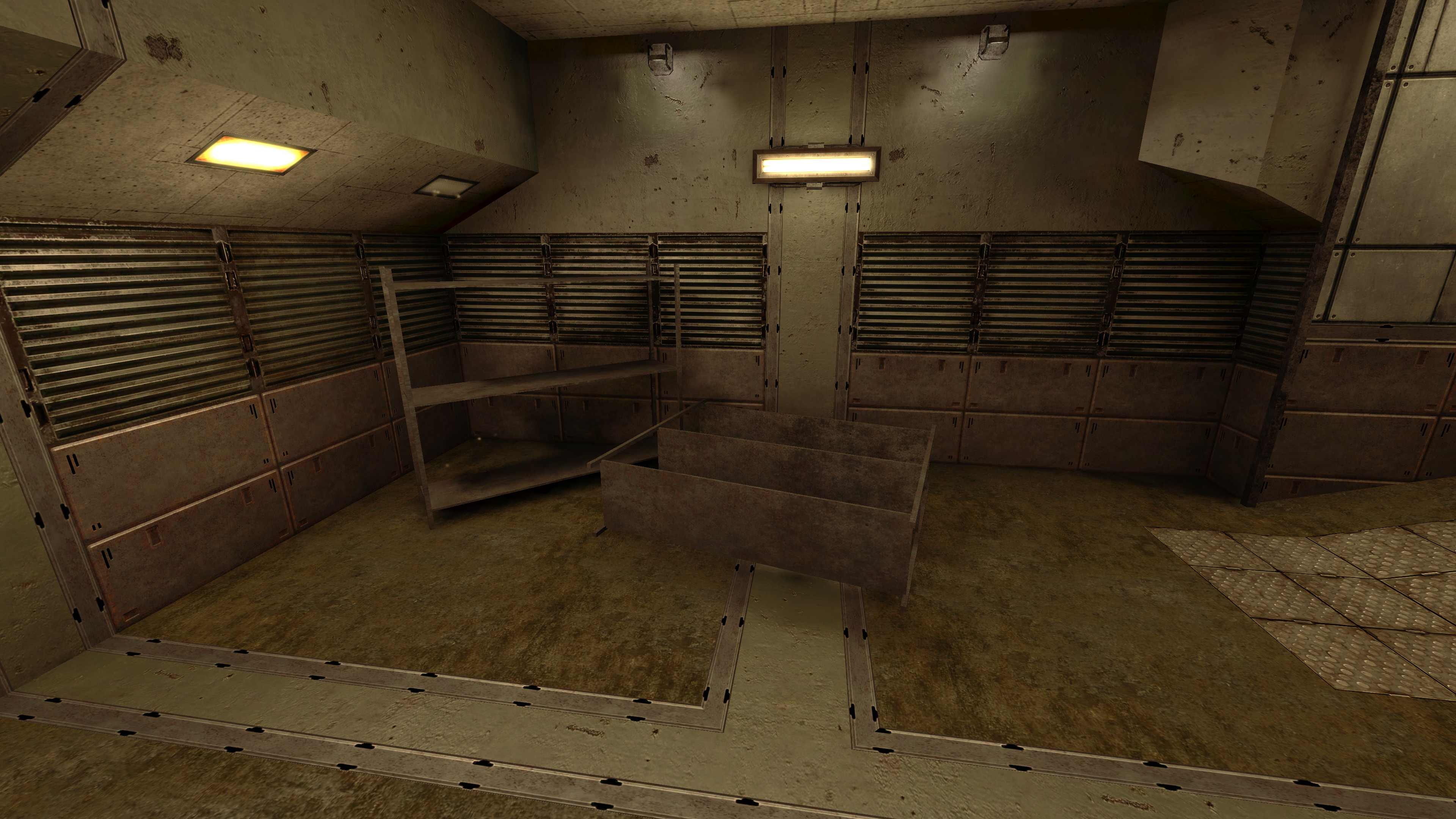
This is how looks the Metro map before and after:
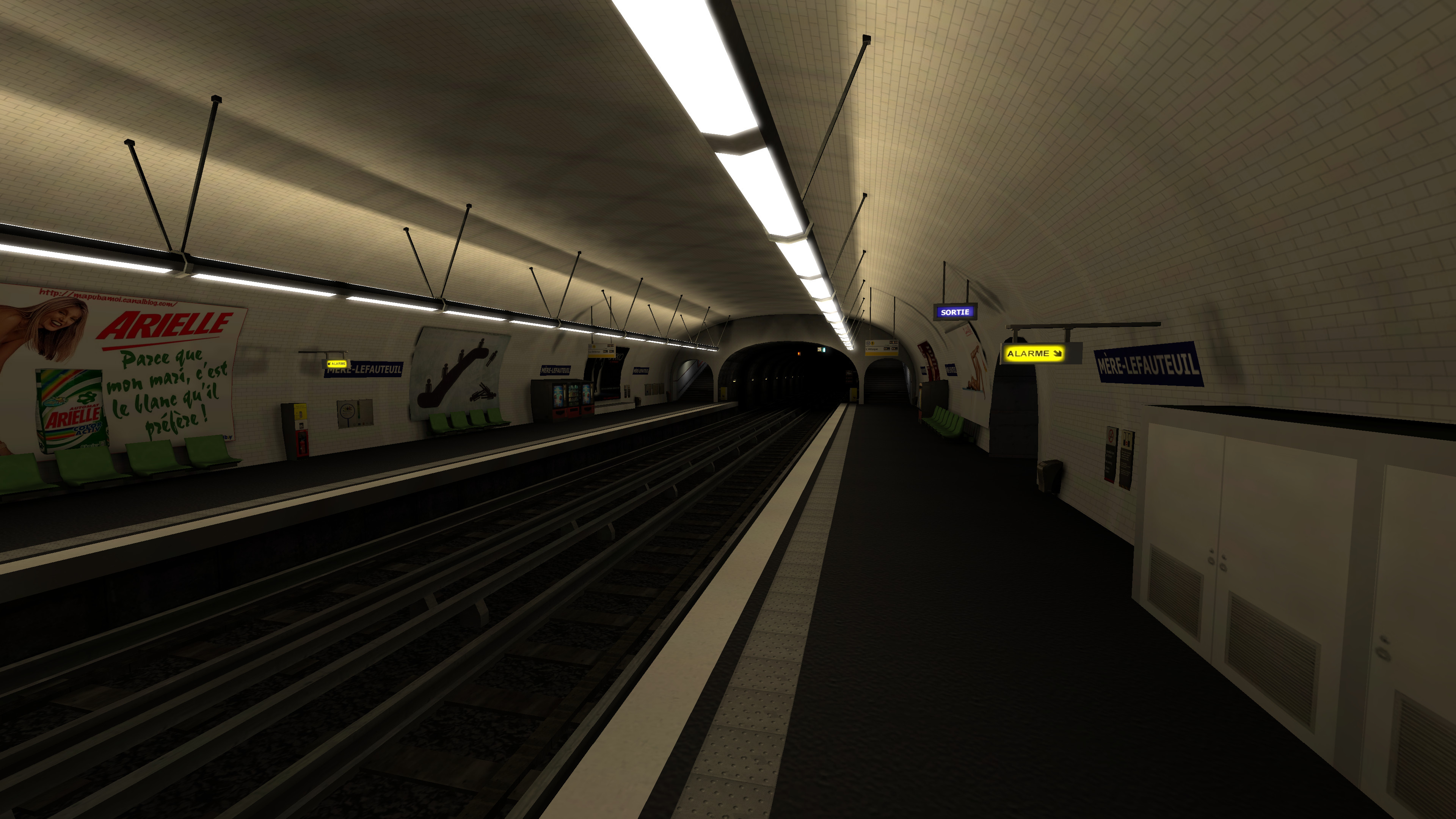

This is not only more bright, this is more correct.
Station15 map:

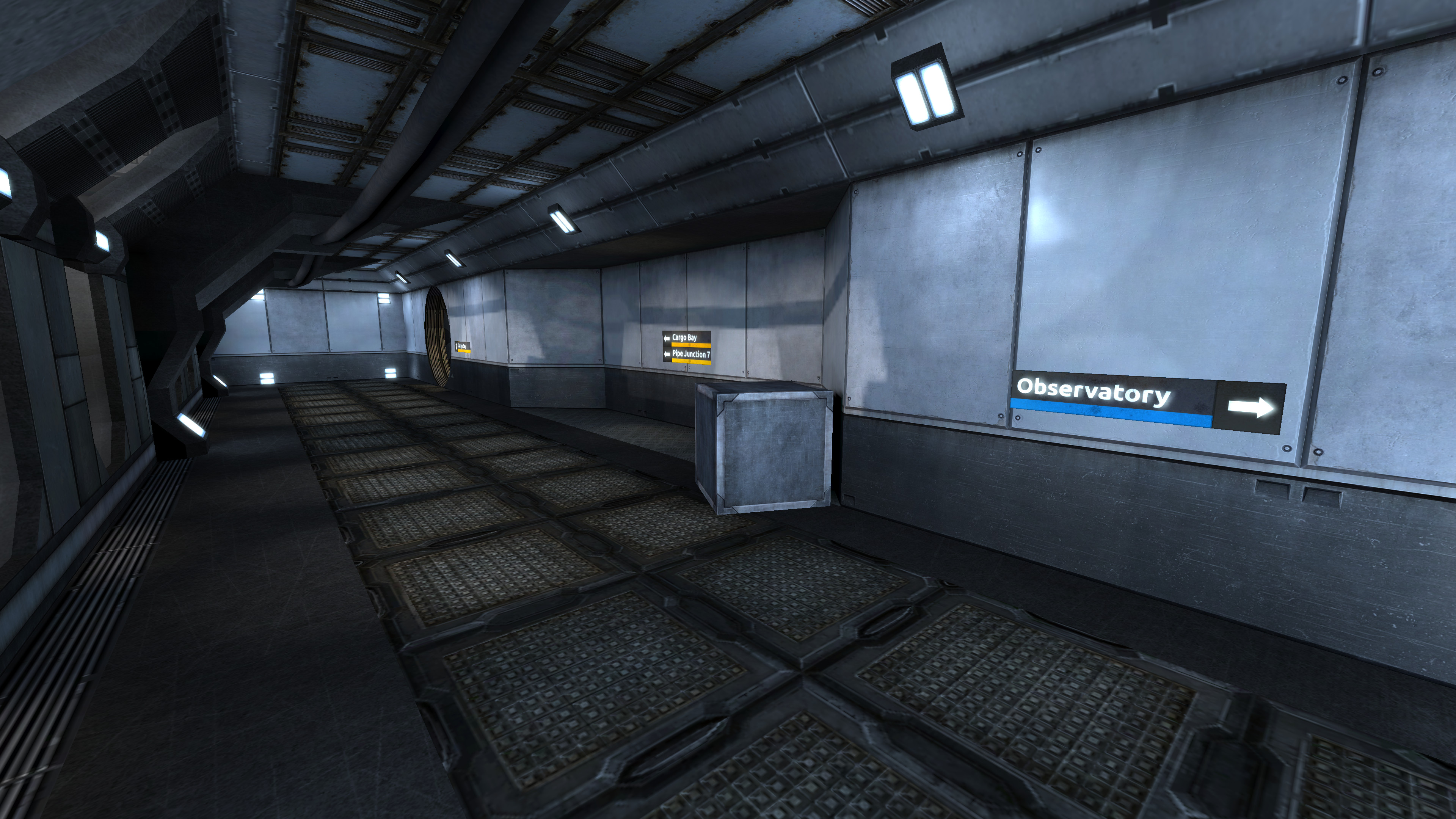
Test-PBR map:
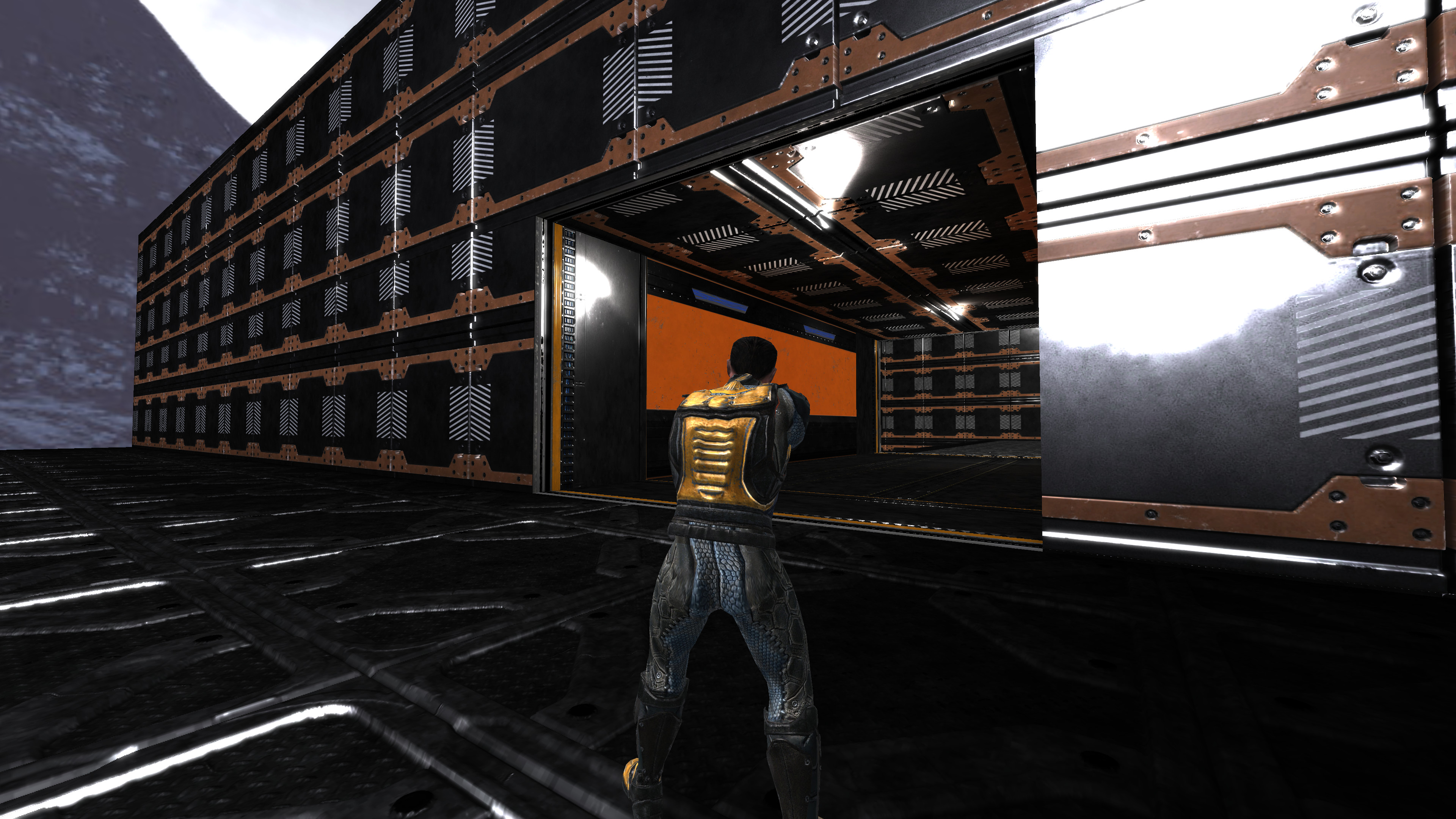
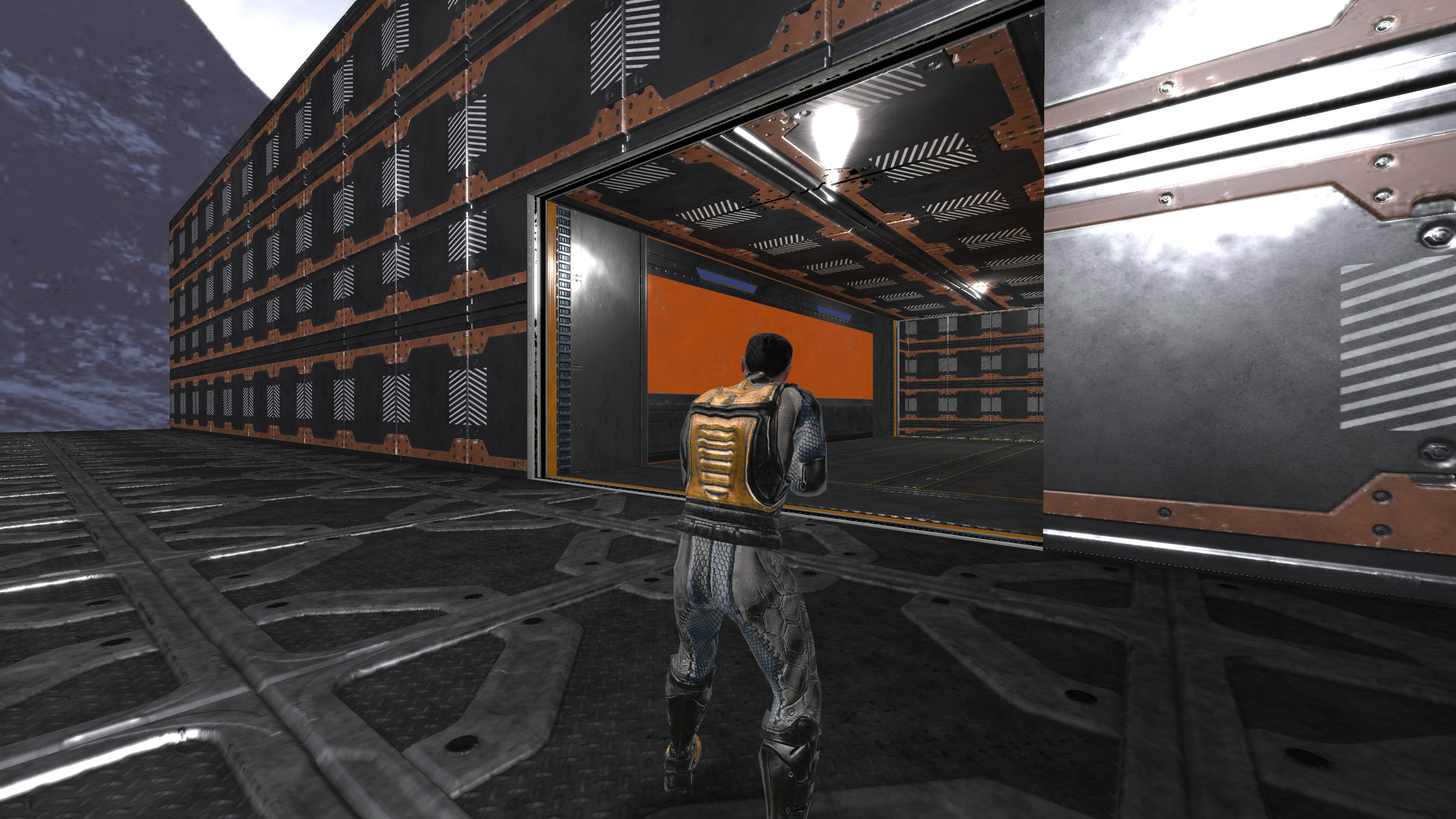
In Perseus map, we can see shadows that look physically correct, given the amount of light in that room, shadow would be wrong if they were more dark:
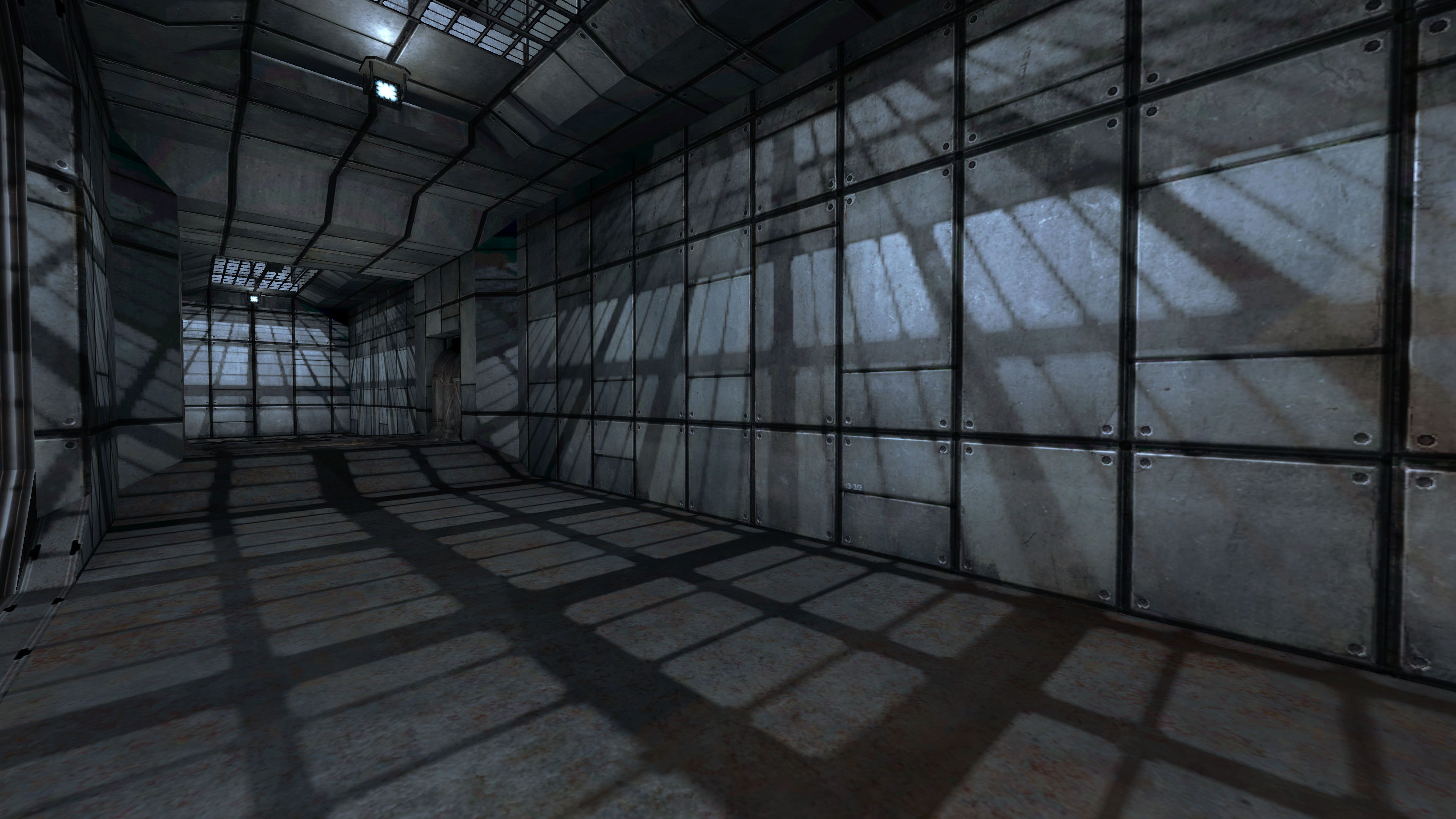
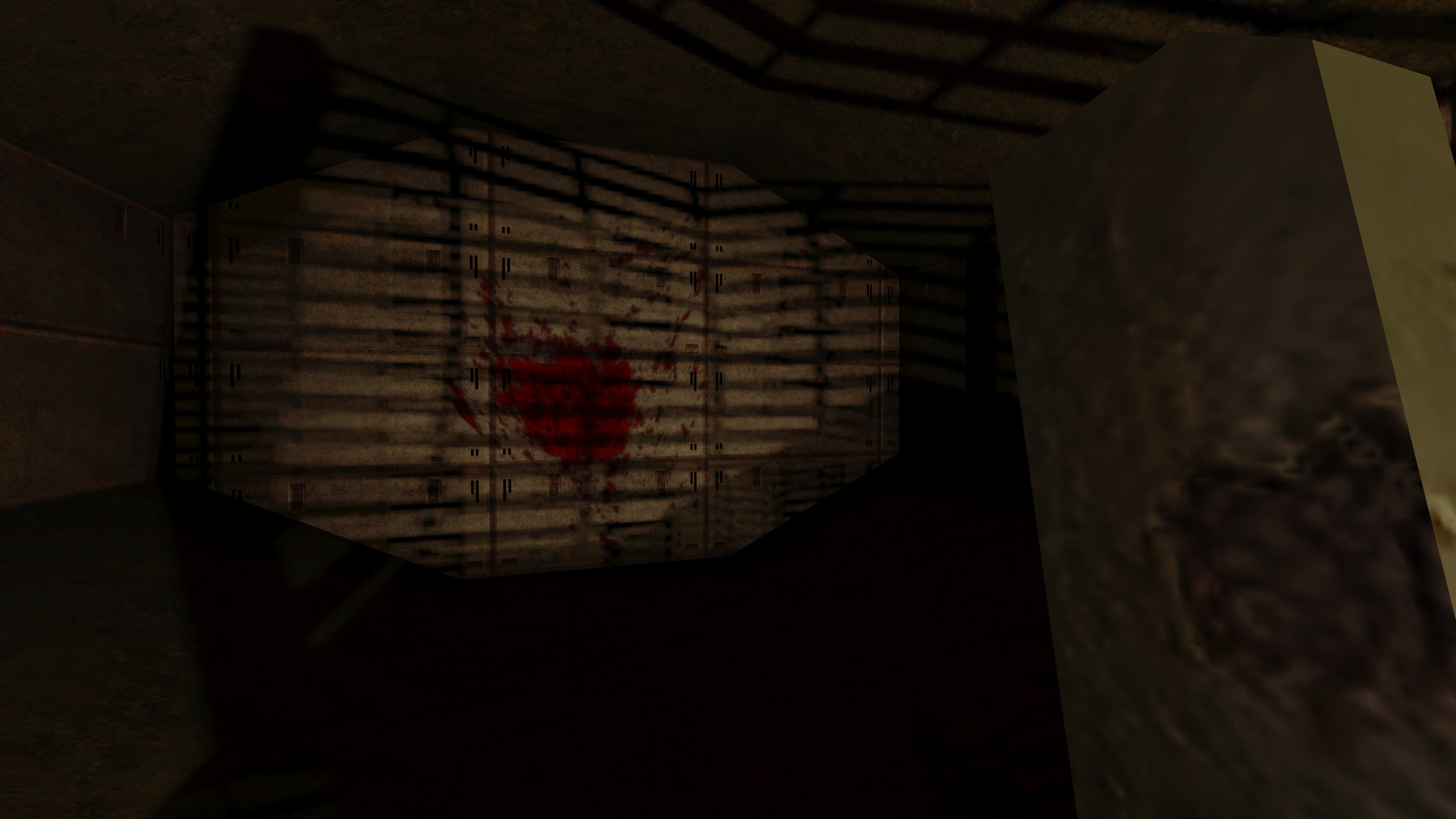
The major issue is that because of the various conversion, we lose precision in the process, and light maps not having already enough precision than we would like (see #239 for issue about HDR light mapping), dark blotches are worst than ever:
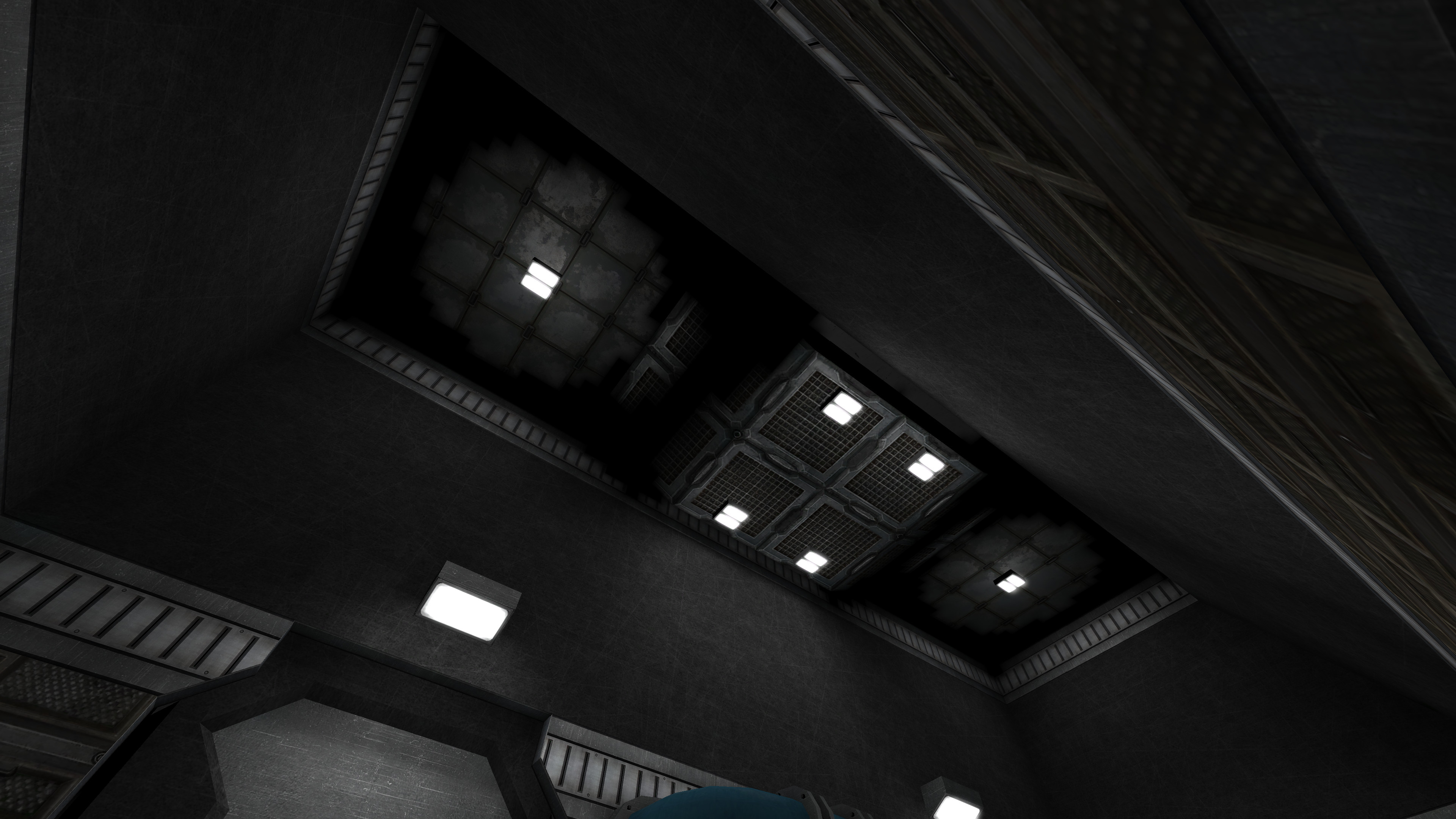
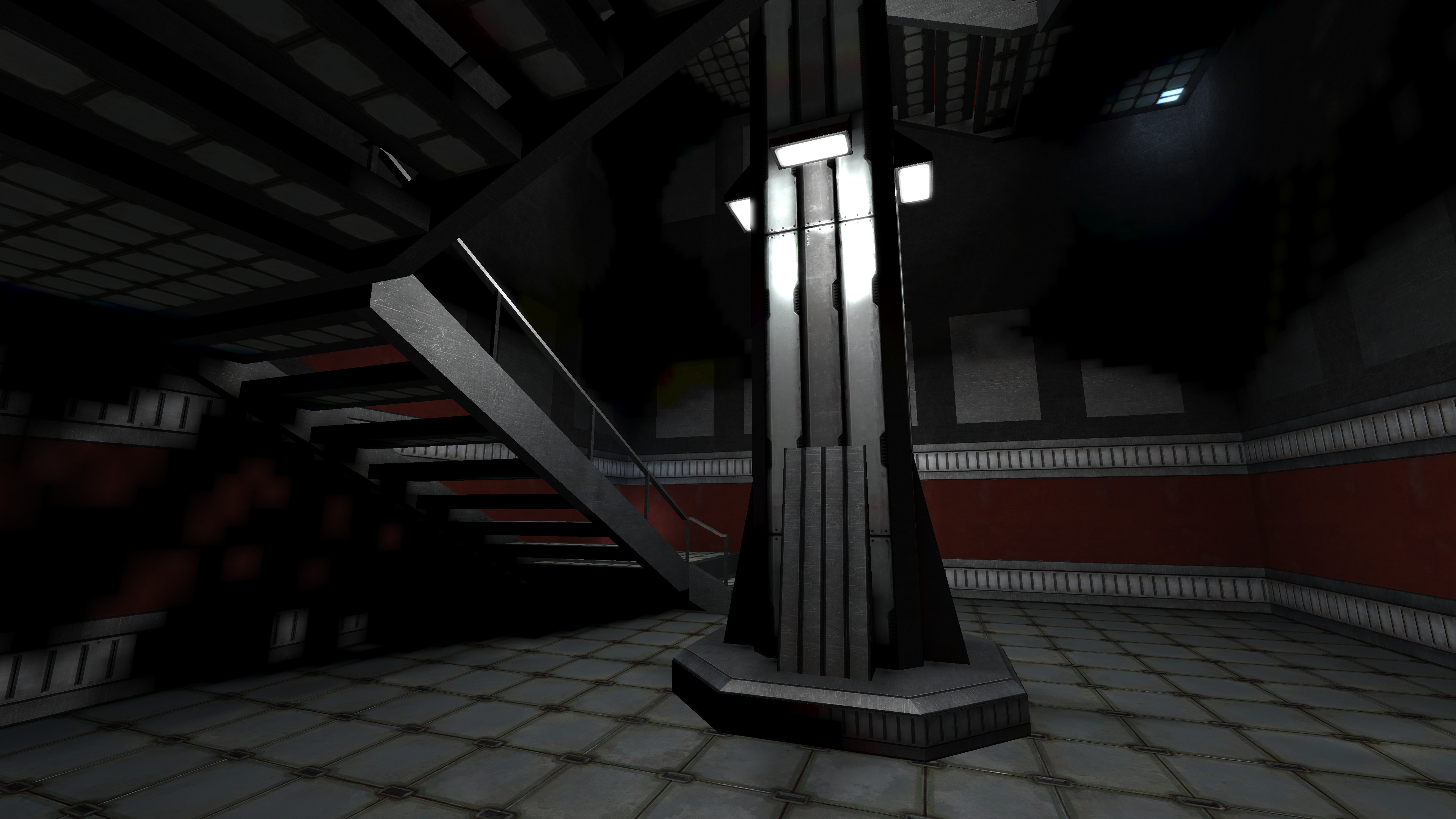
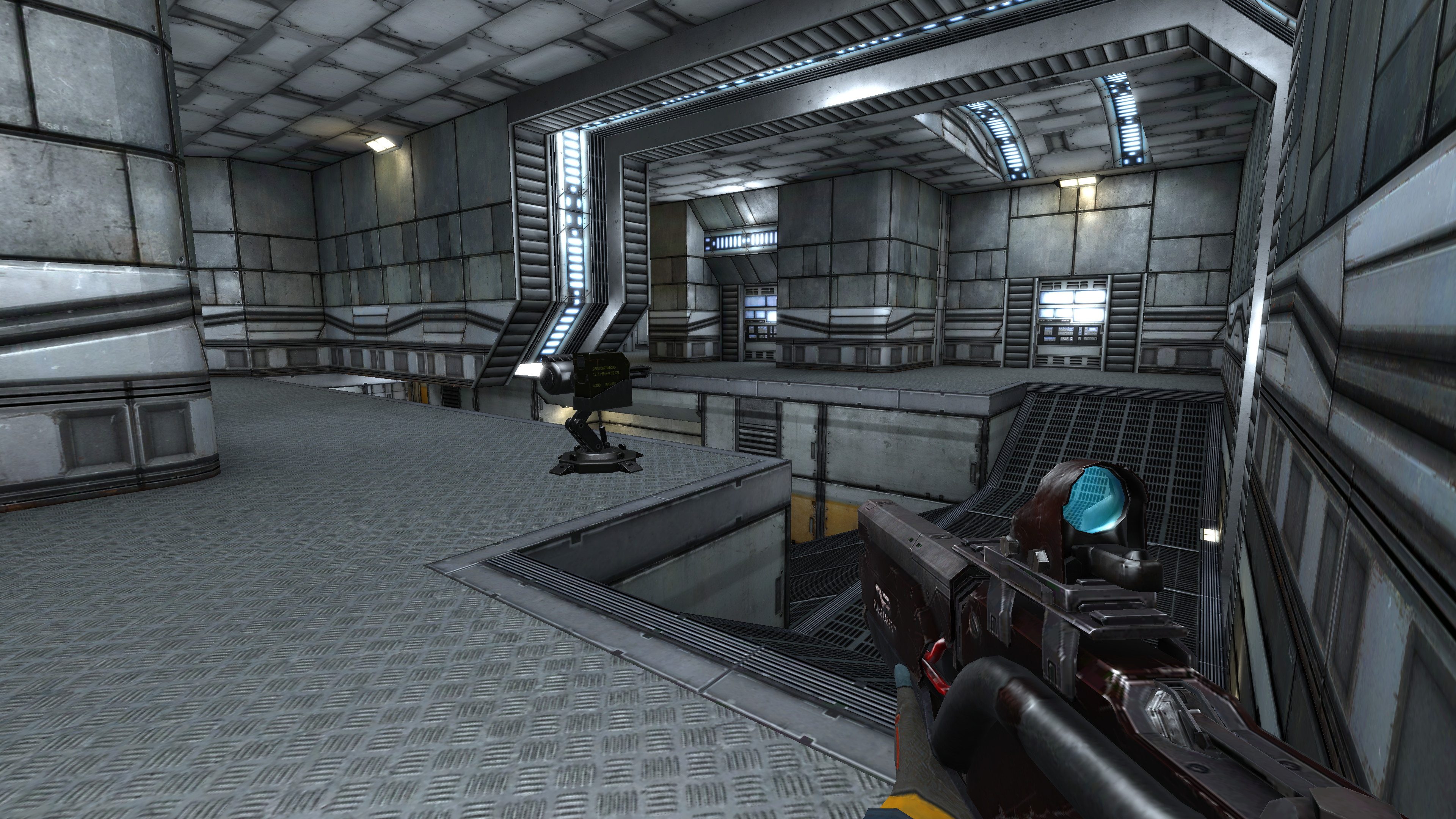
Also, while most of models seems to look good:
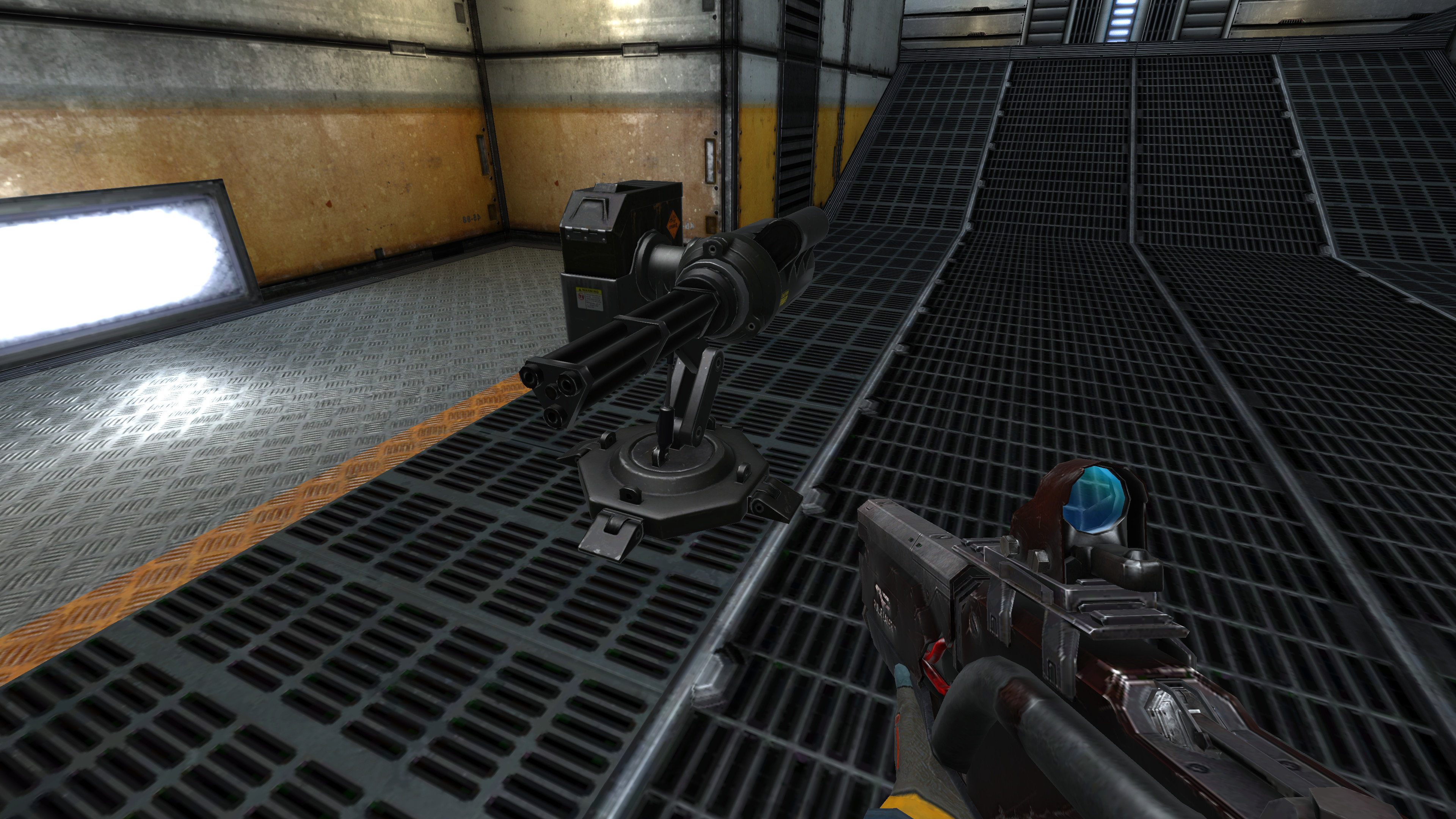
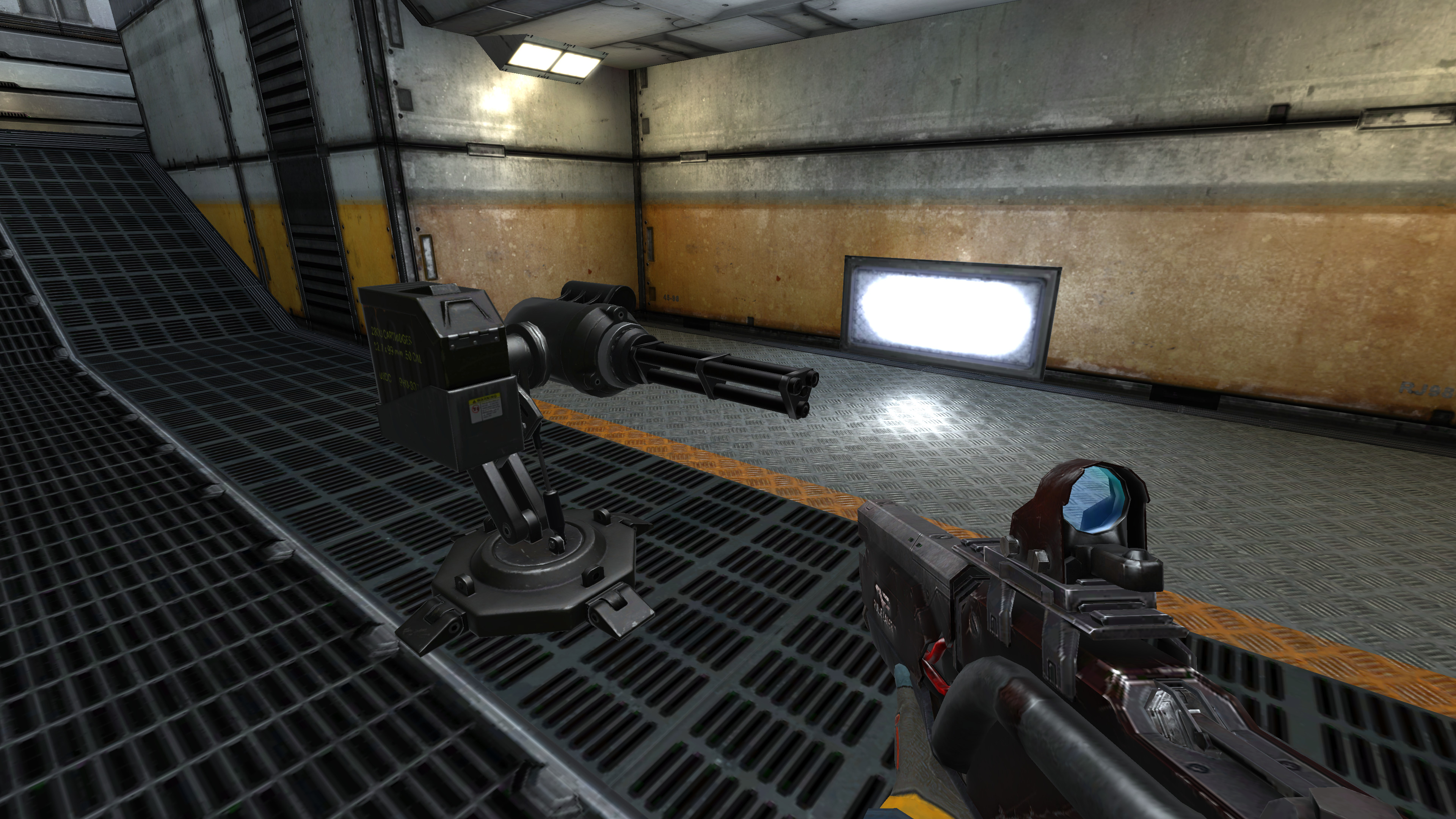
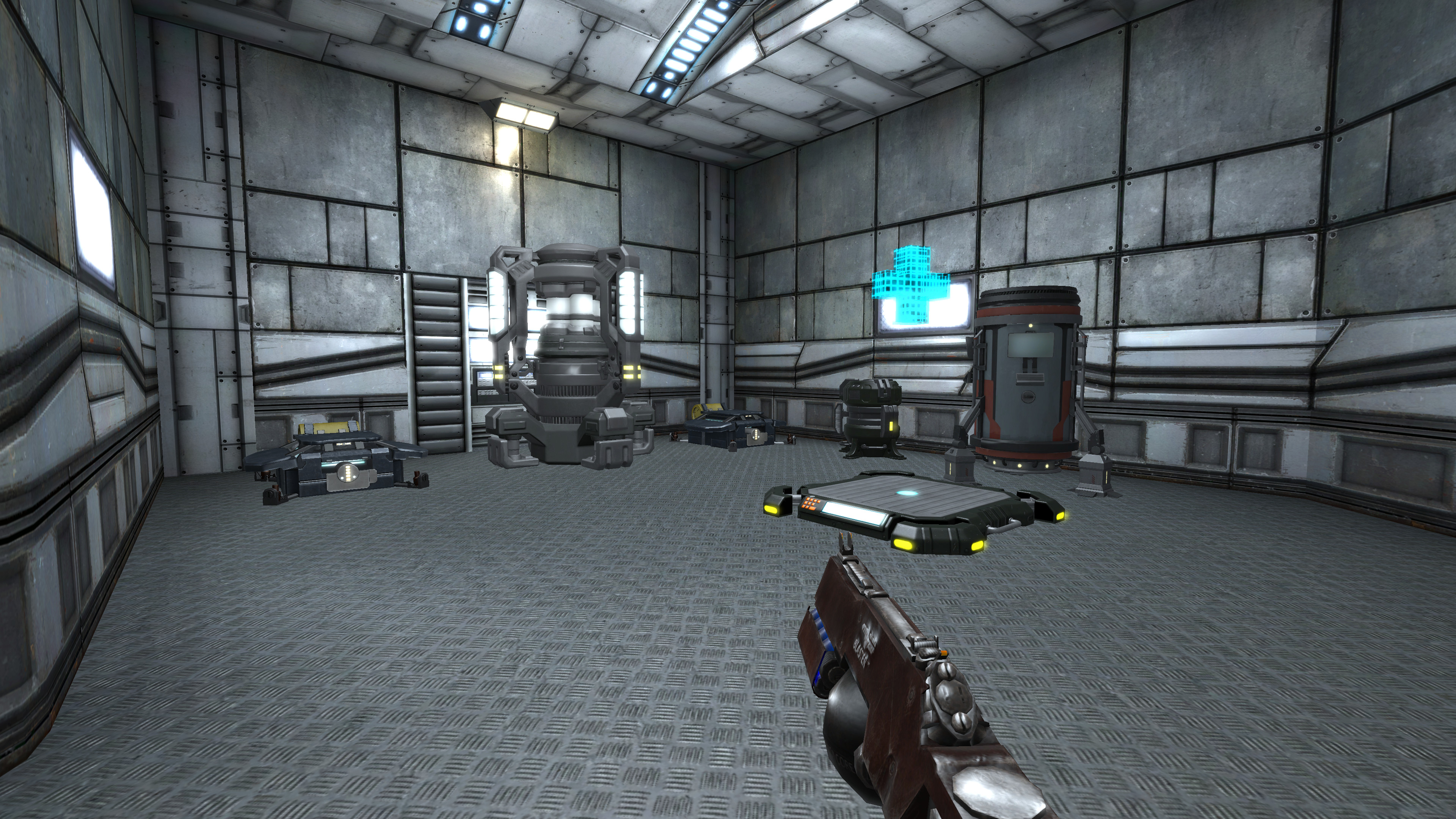
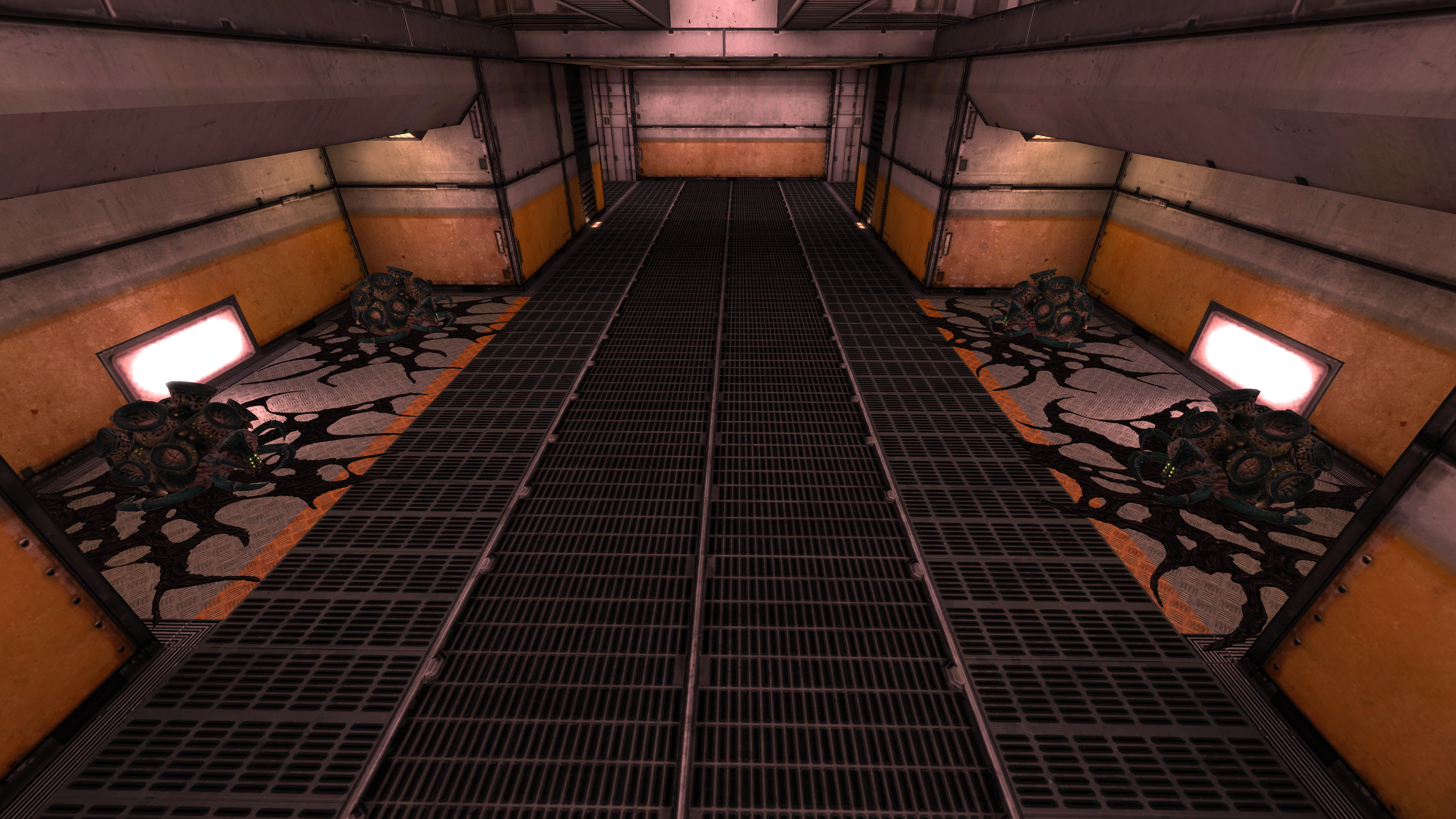
Some of them like egg, leech and barricade do not look that good. I've read at some place that some textures were reworked to look good in game, maybe those were unfortunately altered to workaround a bug while they were right:
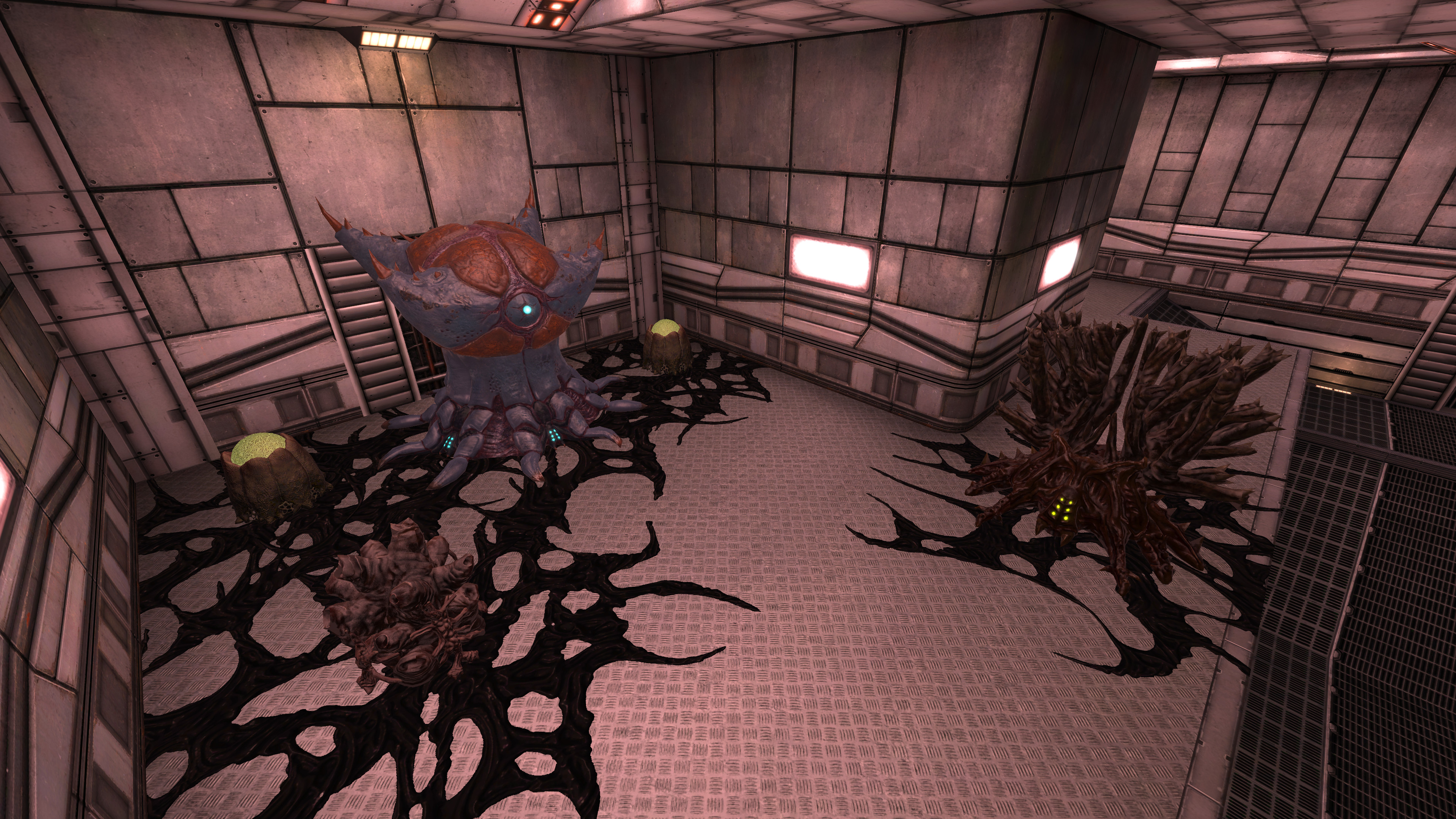
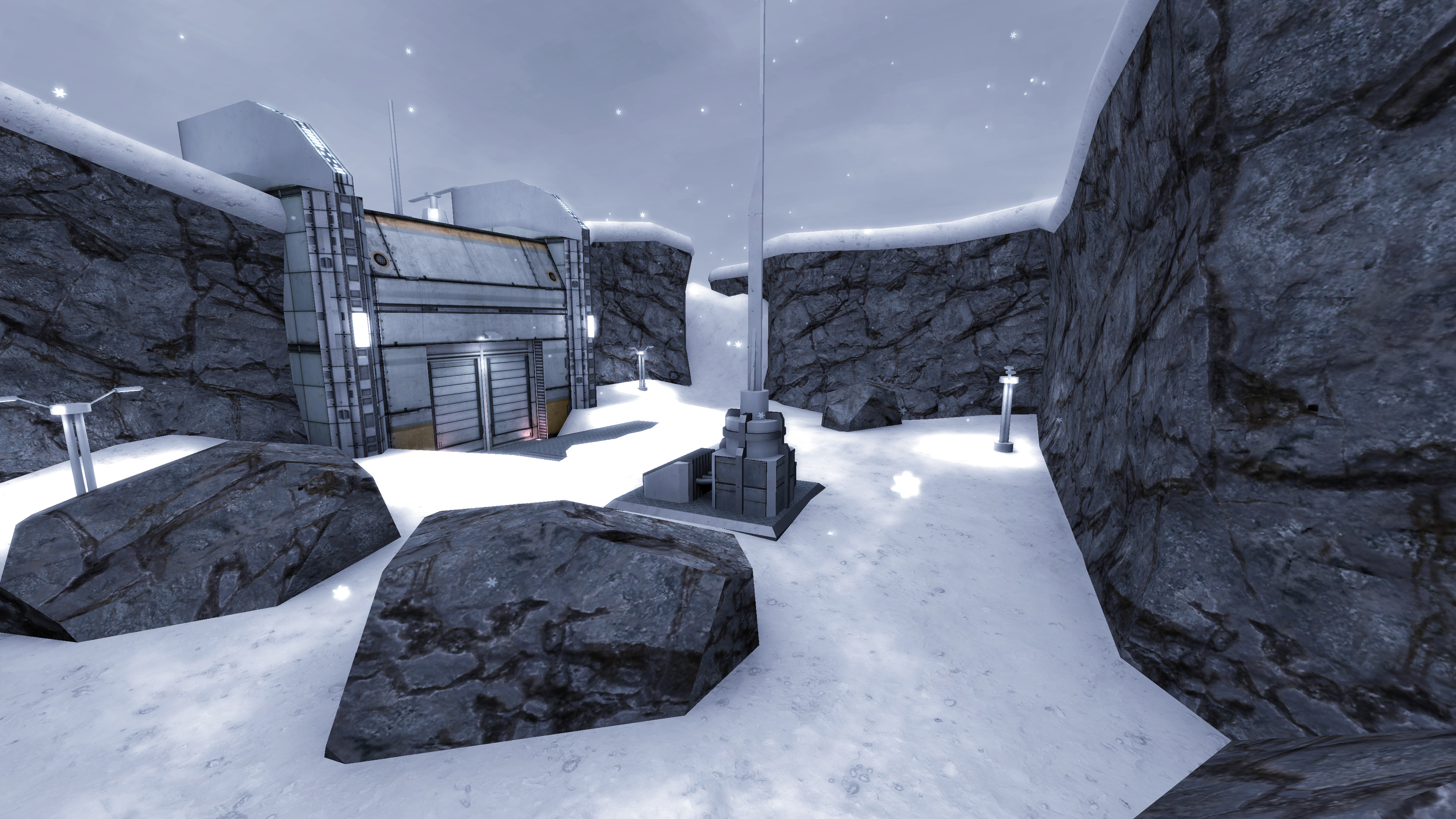
Basically, our maps looks a bit too-bright, and a bit washed, but if they were just less bright they may look good, here is some various random examples: